
Passive Components
At Soyuztec Trading LLC, we provide the fundamental building blocks of modern telecommunications. Our portfolio of Passive RF Components is curated specifically for the Middle East’s demanding telecommunications, defense, and oil and gas sectors. We prioritize signal stability, low insertion loss, and mechanical durability in every component we stock. As a specialist distributor in Dubai, we ensure your system maintains peak performance from the base station to the handheld.
Our Products
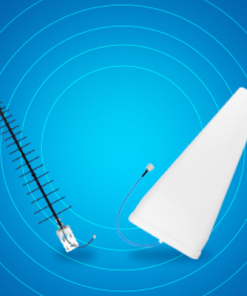
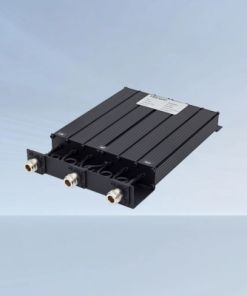
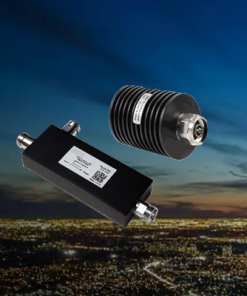
Maximize your signal efficiency and system longevity with industry-leading passive components. Soyuztec Trading LLC is a proud Partner of Amphenol Procom and Scan Antenna, offering world-class antennas, filters, and combiners designed for mission-critical reliability. Whether you are building a public safety network, a maritime communication system, or an industrial IoT framework, our passive components provide the foundation for seamless connectivity in the most challenging environments.
Amphenol Procom: Precision Engineering
Amphenol Procom is the global benchmark for professional wireless communication. Their products are meticulously tested against PIM (Passive Intermodulation), wind load, and extreme temperatures to ensure your infrastructure performs perpetually.
Key Product Categories:
- Base Station Antennas: High-gain Omni, Yagi, and Panel antennas for LTE, 5G, and TETRA networks.
- RF Filters & Duplexers: Precision-tuned components that eliminate interference and optimize frequency separation.
- Combiner Systems: Hybrid and cavity combiners that allow multiple transmitters to share a single antenna mast, saving space and reducing costs.
- ATEX Certified Solutions: Specialized antennas and components for hazardous environments (Oil & Gas, Chemical Plants).
Scan Antenna: The Lifeline on Water
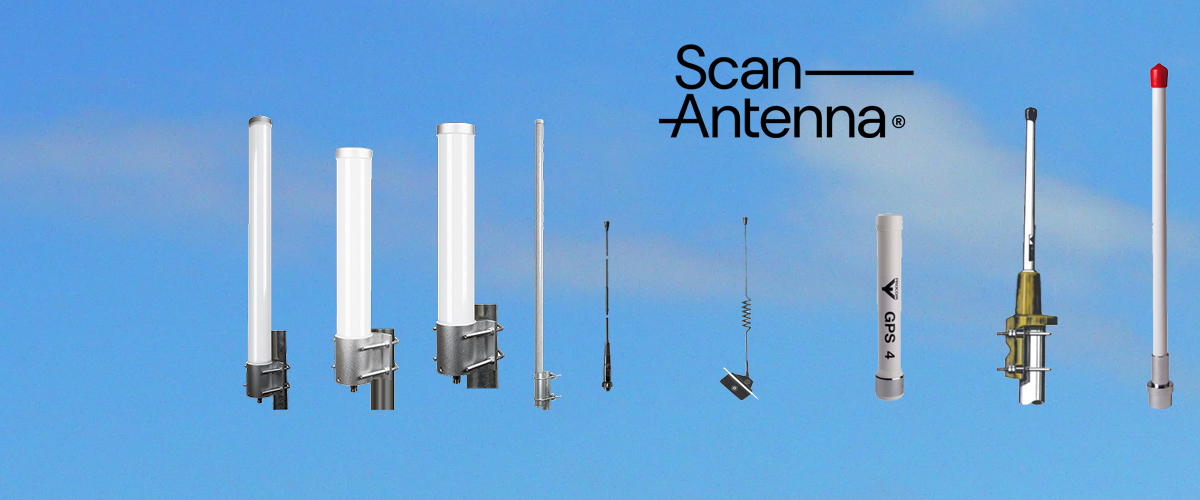
Based in Denmark, Scan Antenna specializes in high-quality antenna systems for the maritime, aviation, and transport sectors. Their products are synonymous with “Marine Grade” durability.
Key Product Categories:
- Marine Antennas: Saltwater-resistant VHF, UHF, and HF antennas designed for everything from leisure yachts to massive container ships.
- Satellite Antennas: Ground-based terminals for GPS and SATCOM systems that maintain a stable global connection in harsh weather.
- Aviation & Transport: Ruggedized antennas for ground operations and fleet management, ensuring clear communication on the move.
- Passive Accessories: High-quality mounting brackets, splitters, and couplers built to withstand heavy vibration and UV exposure.
Why Source Your Passive Components from Soyuztec?
In an RF system, passive components are the “silent engine.” If a filter fails or an antenna corrodes, the most expensive radio in the world becomes useless. Soyuztec provides a layer of security that generic traders cannot match.
Low PIM (Passive Intermodulation) Assurance
Signal interference can cripple high-speed data and voice networks. We supply Amphenol Procom components that are rigorously tested for low PIM, ensuring that your system maintains maximum throughput without “self-noise” or signal ghosting.
GCC-Hardened” Durability
The Middle East presents unique challenges: extreme heat, high humidity, and abrasive sand.
Precision Frequency Tuning
Passive components like duplexers and cavity filters require exact tuning to your licensed frequencies. We don’t just ship boxes. Our technicians can pre-tune your Amphenol Procom filters to your specific TDRA-allocated frequencies before they leave our Dubai warehouse, ensuring a “plug-and-play” installation. we design the entire link including Times Microwave cabling and Motorola radios.